Table of Contents
ToggleMinimalist living ideas help people cut through the noise of modern life and focus on what matters most. The concept sounds simple: own less, stress less. But putting it into practice? That takes intention.
Minimalism isn’t about living with nothing. It’s about living with enough. The right amount of possessions, commitments, and digital distractions varies for everyone. What stays consistent is the goal, creating space for clarity, purpose, and peace.
This guide covers practical minimalist living ideas that anyone can apply. From decluttering physical spaces to streamlining daily habits, these strategies offer a clear path toward a simpler, more intentional life.
Key Takeaways
- Minimalist living ideas focus on owning less to reduce stress and create space for clarity, purpose, and peace.
- Start decluttering small—one drawer or shelf at a time—using methods like the Four-Box approach to avoid burnout.
- Adopt a quality-over-quantity mindset by investing in fewer, better items that last longer and reduce decision fatigue.
- Simplify daily routines by batching tasks, preparing the night before, and eliminating unnecessary commitments.
- Create intentional spaces where every room has a clear purpose and every item supports that purpose.
- Embrace digital minimalism by deleting unused apps, limiting social media, and setting phone-free times to reclaim hours each week.
Start With Decluttering Your Space
Every minimalist journey begins somewhere, and decluttering offers the most visible starting point. Physical clutter drains mental energy. Studies show that people in cluttered environments experience higher cortisol levels and increased anxiety.
The key is to start small. Pick one drawer, one shelf, or one closet. Trying to tackle an entire home in a weekend leads to burnout and abandoned projects.
Here’s a practical approach:
- The Four-Box Method: Label four boxes as Keep, Donate, Trash, and Relocate. Handle each item only once.
- The One-Year Rule: If something hasn’t been used in 12 months, it probably won’t be missed.
- The Sentimental Test: Keep items that spark genuine joy or hold real meaning. Photos of old concert tickets work just as well as the tickets themselves.
Minimalist living ideas like these help people separate true necessities from accumulated stuff. The goal isn’t an empty home, it’s a home filled only with items that serve a purpose or bring happiness.
Once the initial purge is complete, maintenance becomes easier. A weekly 15-minute declutter session prevents new piles from forming. The habit compounds over time, and spaces stay cleaner with less effort.
Adopt a Quality Over Quantity Mindset
Minimalism changes shopping habits. Instead of buying cheap items that need frequent replacement, minimalists invest in fewer, better things.
This shift saves money long-term. A $200 pair of boots that lasts eight years costs less per wear than $40 boots replaced every year. The same logic applies to kitchen tools, furniture, electronics, and clothing.
The quality-over-quantity mindset also reduces decision fatigue. Owning three versatile outfits beats owning thirty mediocre ones. Fewer choices mean faster mornings and less closet chaos.
Minimalist living ideas extend to purchases beyond physical goods:
- Experiences over things: A weekend trip creates lasting memories. A decorative item collects dust.
- Multi-functional items: A cast iron skillet that works on the stove, in the oven, and over a campfire beats owning separate pans for each task.
- Timeless over trendy: Classic designs don’t go out of style. They don’t need replacing when trends shift.
Before any purchase, minimalists ask three questions: Do I need this? Do I have something that already serves this purpose? Will this add value to my life?
These questions create a natural filter. Impulse purchases drop. Buyer’s remorse becomes rare. And homes stay clutter-free because new items enter only with intention.
Simplify Your Daily Routines
Cluttered schedules cause as much stress as cluttered homes. Minimalist living ideas apply to time management just as effectively as they apply to physical spaces.
Simplified routines reduce daily decisions. When someone wears similar outfits, eats similar breakfasts, and follows consistent morning rituals, they preserve mental energy for important choices.
Practical ways to streamline routines include:
- Batch similar tasks: Handle all errands in one trip. Answer emails at set times instead of throughout the day.
- Prepare the night before: Lay out clothes, pack bags, and prep lunches. Mornings run smoother with fewer decisions.
- Eliminate unnecessary commitments: Saying no to draining obligations creates room for meaningful activities.
The two-minute rule helps with small tasks. If something takes less than two minutes, do it immediately. This prevents tiny tasks from piling into overwhelming lists.
Minimalist living ideas for routines also include limiting options. Instead of scrolling through streaming services for 30 minutes, pick one show and commit. Instead of debating dinner options, rotate through five reliable recipes.
Simplicity compounds. Small time savings add up to hours each week. Those hours become available for rest, hobbies, relationships, or whatever matters most.
Create Functional and Intentional Spaces
Minimalist spaces serve their inhabitants, not the other way around. Every room should have a clear purpose, and every item within that room should support that purpose.
This doesn’t mean bare walls and empty shelves. It means thoughtful design.
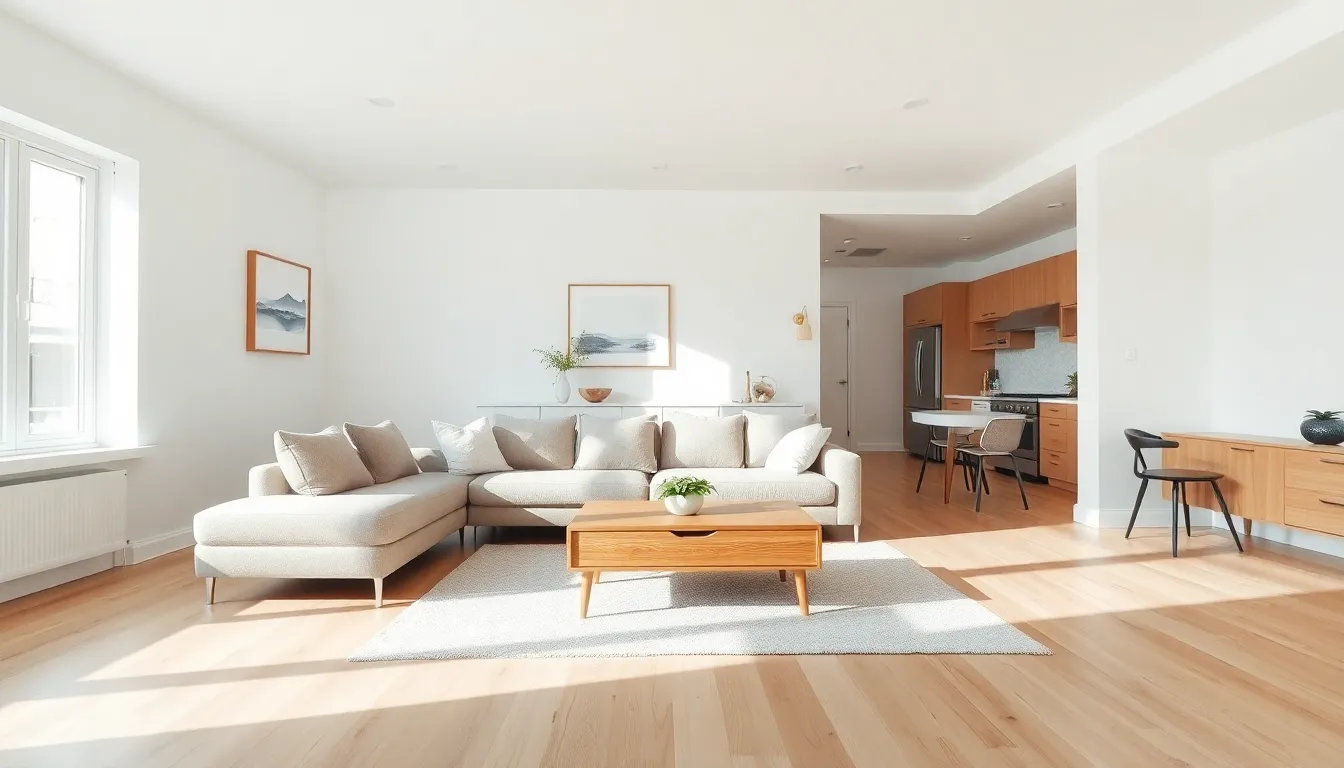
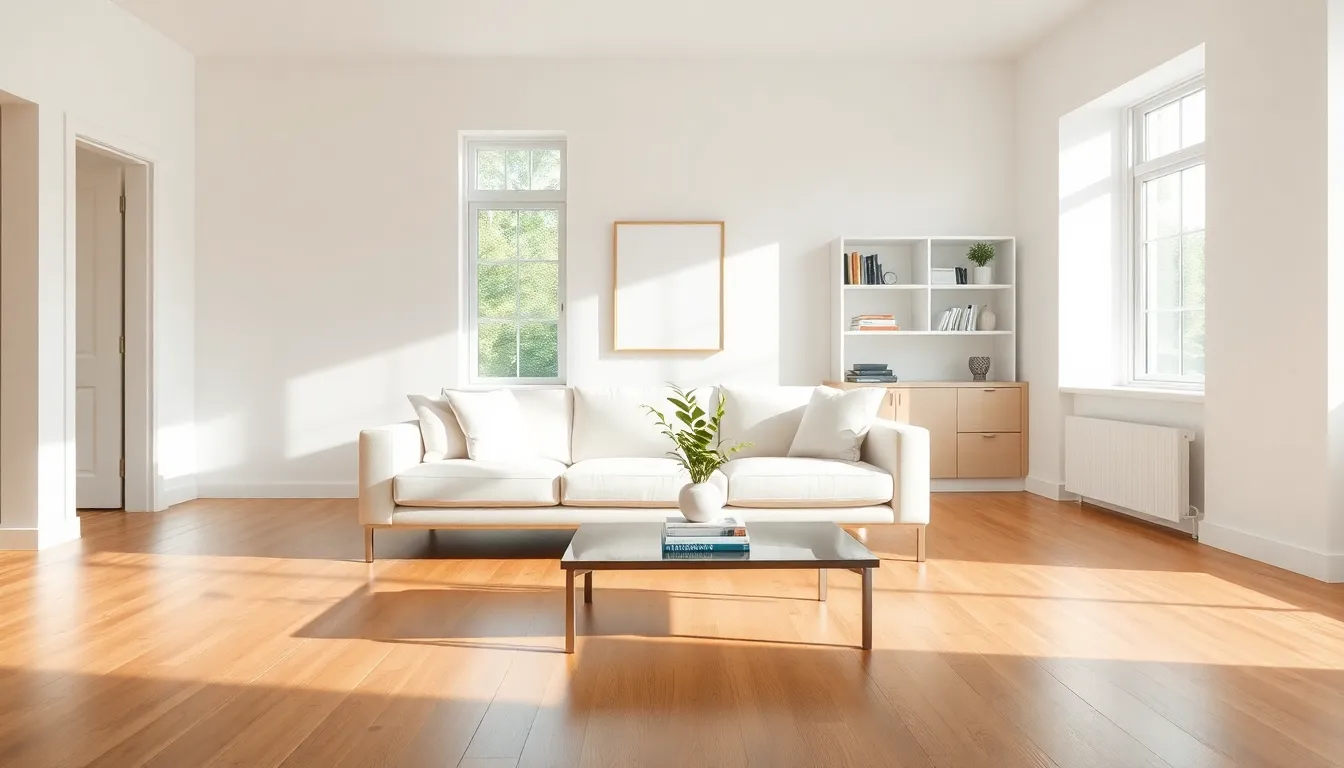
A functional living room might include comfortable seating, good lighting for reading, and a few meaningful decorations. What it won’t include: piles of magazines nobody reads, furniture that blocks natural pathways, or decor purchased simply to fill empty corners.
Minimalist living ideas for intentional spaces:
- Define each room’s purpose: A bedroom is for sleep and rest. Remove the treadmill that became a clothing rack.
- Embrace empty space: Not every surface needs decoration. White space creates visual calm.
- Choose furniture that fits: Oversized couches in small rooms create cramped feelings regardless of how little else is present.
- Let natural light in: Heavy curtains and crowded windowsills block light and energy.
Storage solutions help maintain minimalist spaces. Items without homes end up on counters and floors. Designated spots for keys, mail, and everyday items prevent surface clutter.
The goal is walking into a room and feeling calm rather than overwhelmed. When spaces function well and look intentional, daily life feels lighter.
Embrace Digital Minimalism
Physical possessions represent only half the clutter problem. Digital clutter, endless apps, overflowing inboxes, and constant notifications, fragments attention and increases stress.
Digital minimalism applies the same principles to technology. Keep what adds value. Remove what distracts.
Start with a phone audit. Most people use fewer than 10 apps regularly but have 50+ installed. Delete unused apps. Move social media off the home screen. Turn off non-essential notifications.
Minimalist living ideas for digital spaces:
- Unsubscribe aggressively: Email newsletters that go unread just create inbox guilt. Remove them.
- Limit social media: Set daily time limits. Consider removing apps entirely and checking only via browser.
- Organize files and photos: Delete duplicates. Create simple folder systems. Back up important items and clear the rest.
- Reduce streaming subscriptions: Three services with overlapping content waste money and create decision paralysis.
Digital boundaries matter too. Designate phone-free times, meals, the first hour after waking, the last hour before sleep. These boundaries protect attention and improve sleep quality.
The average person spends over four hours daily on their phone. Cutting that time in half returns 14 hours per week. That’s nearly a full waking day, every single week, reclaimed for other pursuits.
Digital minimalism doesn’t mean abandoning technology. It means using technology intentionally rather than letting technology use its users.