Table of Contents
ToggleMinimalist living trends 2026 will reshape how people approach their homes, possessions, and daily habits. The movement has grown beyond simple decluttering. It now touches digital life, sustainability, and community connections. People want less stuff, more purpose, and greater control over their time and money.
This year brings fresh shifts in minimalist thinking. Expect changes in how people manage their devices, design their spaces, and share resources with neighbors. The focus moves from owning things to experiencing life with intention. Here’s what the minimalist living trends 2026 landscape looks like, and how it might change the way people live.
Key Takeaways
- Minimalist living trends 2026 prioritize digital decluttering, with practices like app reduction, notification management, and scheduled screen-free time.
- Sustainable minimalism grows stronger as people choose quality over quantity, embrace secondhand shopping, and reduce packaging waste.
- Multifunctional furniture and adaptable spaces help people maximize smaller living areas without sacrificing comfort or style.
- Mindful consumption habits like the 30-day rule and subscription audits help align spending with personal values.
- Community-based sharing through tool libraries, buy-nothing groups, and cohousing reduces individual ownership while building neighborhood connections.
- The core shift in minimalist living trends 2026 focuses on access over ownership and experiences over possessions.
Digital Decluttering Takes Center Stage
Screens dominate modern life. The average person spends over seven hours daily on digital devices. In 2026, minimalist living trends push back against this digital overload.
Digital decluttering means reducing apps, unsubscribing from email lists, and limiting social media accounts. People delete unused apps and organize their phone screens with intention. Many adopt “digital sunset” routines, no screens after a certain hour.
Cloud storage gets attention too. Old photos, documents, and files pile up invisibly. Minimalists now schedule regular digital cleanouts, treating their cloud accounts like physical closets.
The trend extends to notifications. Constant pings drain attention and energy. People turn off non-essential alerts and batch-check messages at set times. This creates mental space and reduces anxiety.
Some go further with “dumb phone” experiments. Basic phones without internet access offer a break from constant connectivity. Sales of these devices have increased as people seek freedom from their smartphones.
Digital minimalism in 2026 isn’t about rejecting technology. It’s about using it with purpose rather than letting it use you.
Sustainable Minimalism and Eco-Conscious Choices
Minimalist living trends 2026 align closely with environmental concerns. Owning less means consuming less, and that benefits the planet.
People choose quality over quantity. They buy fewer items but select durable, repairable products. Fast fashion loses appeal as wardrobes shrink to versatile, long-lasting pieces. Capsule wardrobes of 30-40 items become more common.
Secondhand shopping grows in popularity. Thrift stores, consignment shops, and online resale platforms offer sustainable alternatives to new purchases. Buying used extends product lifecycles and reduces waste.
Packaging matters too. Minimalists favor products with little or no packaging. Refill stations for cleaning supplies, personal care items, and pantry staples expand in grocery stores and specialty shops.
Home energy use gets scrutiny. Smaller living spaces require less heating and cooling. Simple design choices, like natural lighting and proper insulation, reduce utility bills and carbon footprints.
The connection between minimalist living and sustainability strengthens in 2026. People realize that less stuff equals less environmental impact. This awareness drives purchasing decisions and lifestyle choices.
Multifunctional Spaces and Furniture
Housing costs push people toward smaller homes and apartments. Minimalist living trends 2026 respond with creative solutions for limited square footage.
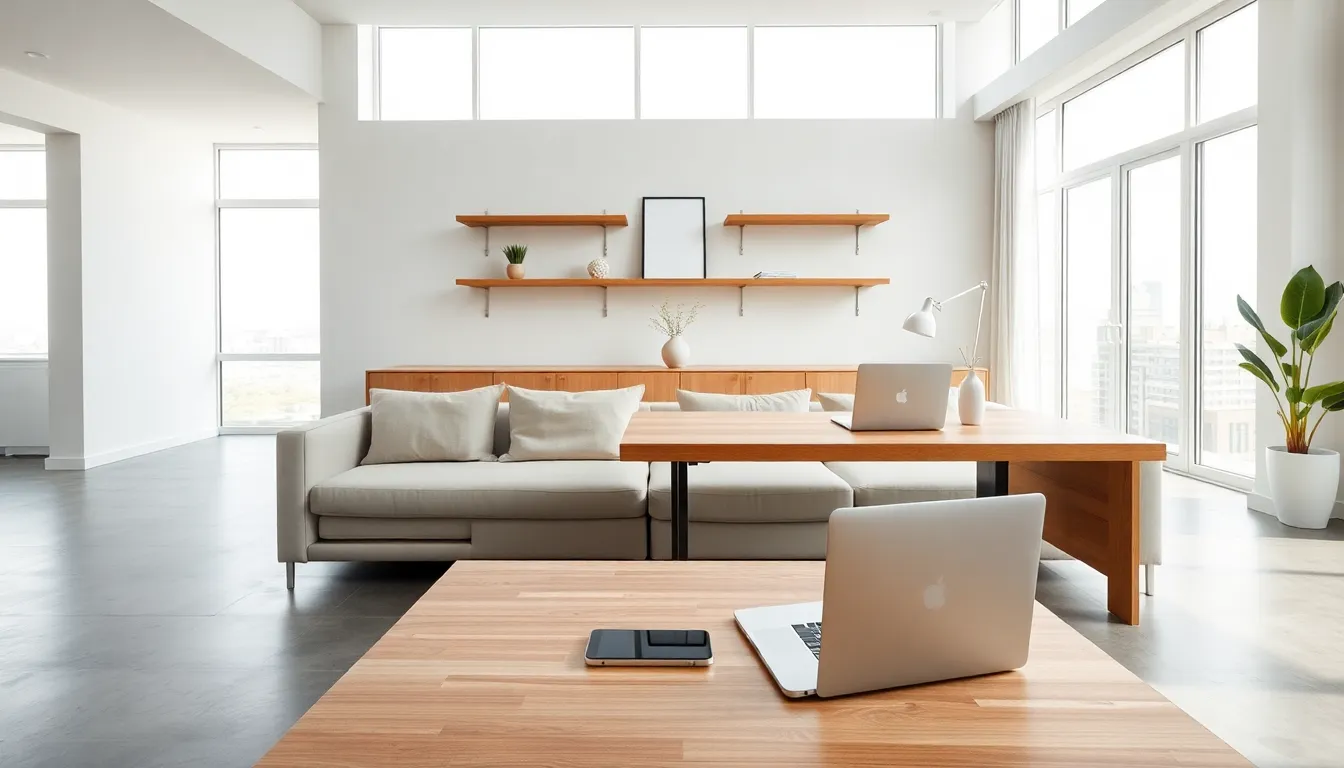
Multifunctional furniture dominates design catalogs. Beds with built-in storage, dining tables that convert to desks, and sofas with hidden compartments maximize every inch. Murphy beds make strong comebacks in urban apartments.
Rooms serve multiple purposes. A guest bedroom doubles as a home office. Living rooms transform into workout spaces. Kitchens include work areas for remote jobs.
Modular furniture systems gain traction. These pieces reconfigure based on current needs. A shelving unit becomes a room divider. Seating arrangements shift for different activities.
Vertical space gets more attention. Wall-mounted storage, floating shelves, and ceiling-hung planters free up floor area. People think upward rather than outward when organizing their homes.
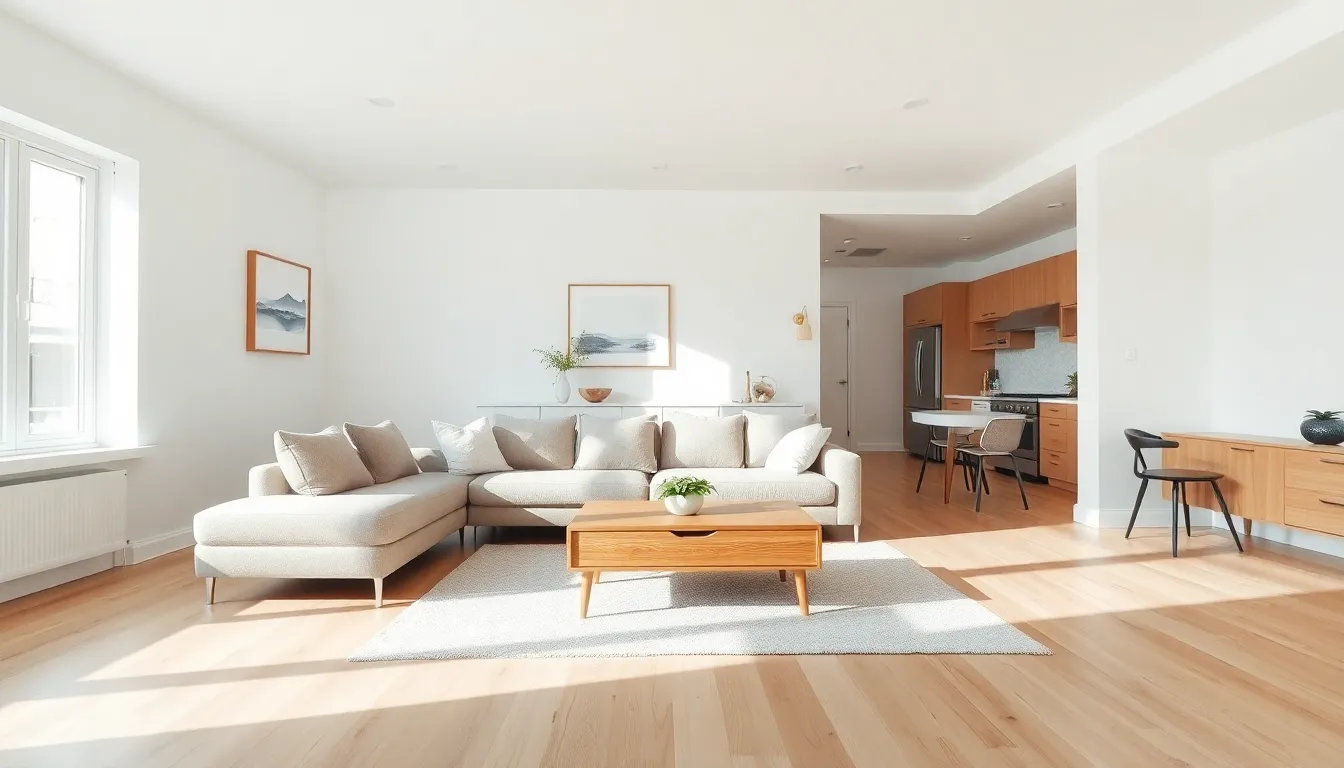
Color palettes stay neutral and calm. Light tones make small spaces feel larger. Clean lines and minimal decoration create visual breathing room.
This trend reflects practical necessity as much as philosophy. When space costs money, every square foot must work hard. Minimalist design offers solutions that feel intentional rather than cramped.
Mindful Consumption and Intentional Spending
Minimalist living trends 2026 extend beyond physical possessions to financial habits. People examine where their money goes and why.
The “one in, one out” rule gains followers. For every new item entering a home, one leaves. This prevents accumulation and forces thoughtful purchasing decisions.
Waiting periods before purchases become standard practice. A 30-day rule, waiting a month before buying non-essential items, helps distinguish wants from needs. Many desired purchases lose their appeal during this pause.
Subscription audits happen regularly. Streaming services, gym memberships, and software subscriptions add up quickly. Minimalists review and cancel unused subscriptions quarterly.
Experiences replace material gifts. People request concert tickets, cooking classes, or travel funds instead of physical presents. This shift affects holiday shopping and birthday celebrations.
Budgeting apps aligned with minimalist values grow in use. These tools track spending categories and highlight unnecessary expenses. Users set spending limits on discretionary purchases.
The goal isn’t extreme frugality. It’s spending money on things that genuinely matter while cutting waste on things that don’t. Minimalist living in 2026 means financial decisions reflect personal values.
Community-Based Minimalism and Shared Resources
Individual minimalism meets collective action in 2026. People share resources rather than each owning the same items.
Tool libraries expand in cities and suburbs. Neighbors borrow power drills, lawn mowers, and camping equipment instead of buying items they’ll rarely use. Membership fees stay low while access stays high.
Buy-nothing groups thrive on social media. Members give away unneeded items and request things they need. These groups build community while reducing waste and consumption.
Car-sharing and bike-sharing programs grow beyond major cities. Smaller towns adopt these services as residents question the need for personal vehicle ownership.
Communal gardens provide fresh produce without individual yard maintenance. Apartment dwellers and homeowners alike participate in shared growing spaces.
Cohousing communities attract more interest. These intentional neighborhoods feature private living spaces with shared common areas, kitchens, laundry facilities, guest rooms, and recreation spaces.
Minimalist living trends 2026 recognize that ownership isn’t always necessary. Access often serves the same purpose with less financial and environmental cost. Sharing builds connections while reducing individual burden.