Table of Contents
ToggleMinimalist living examples show how people reduce clutter and focus on what matters most. This lifestyle goes beyond owning fewer items. It changes how people approach their homes, wardrobes, finances, and digital habits. Many find that simplifying their surroundings leads to less stress and more clarity. This guide explores real, actionable ways to adopt minimalist living in daily life. Whether someone wants to declutter a single room or rethink their entire lifestyle, these examples offer a starting point.
Key Takeaways
- Minimalist living examples show that owning less reduces stress and creates more time for what truly matters.
- Apply minimalist principles room by room—clear countertops, limited decor, and only essential furniture create calm, functional spaces.
- A capsule wardrobe of 30–40 versatile pieces eliminates decision fatigue and simplifies daily routines.
- Digital minimalism includes deleting unused apps, unsubscribing from unread emails, and turning off non-essential notifications.
- Financial minimalist living examples like consolidating accounts and canceling forgotten subscriptions often lead to higher savings rates.
- The one-in-one-out rule prevents accumulation and encourages intentional purchasing decisions.
What Minimalist Living Looks Like in Everyday Life
Minimalist living looks different for each person. Some people own fewer than 100 items total. Others simply aim to remove excess from specific areas of life. The common thread is intentionality.
At its core, minimalist living examples share a few traits:
- Fewer possessions: People keep only items they use regularly or truly value.
- Clear spaces: Homes and workspaces stay organized and free of visual clutter.
- Intentional spending: Money goes toward experiences and necessities rather than accumulating stuff.
- Time freedom: Less time spent cleaning, organizing, and maintaining possessions.
A family might practice minimalist living by limiting toys to one bin per child. A single professional might keep their apartment furnished with only essential pieces. A retiree might downsize from a large home to a small condo.
These minimalist living examples show that the approach adapts to different life stages and priorities. The goal remains consistent: own less, stress less, and live more deliberately.
Home and Living Space Examples
The home offers the most visible minimalist living examples. People apply minimalist principles room by room to create calm, functional spaces.
Living Room
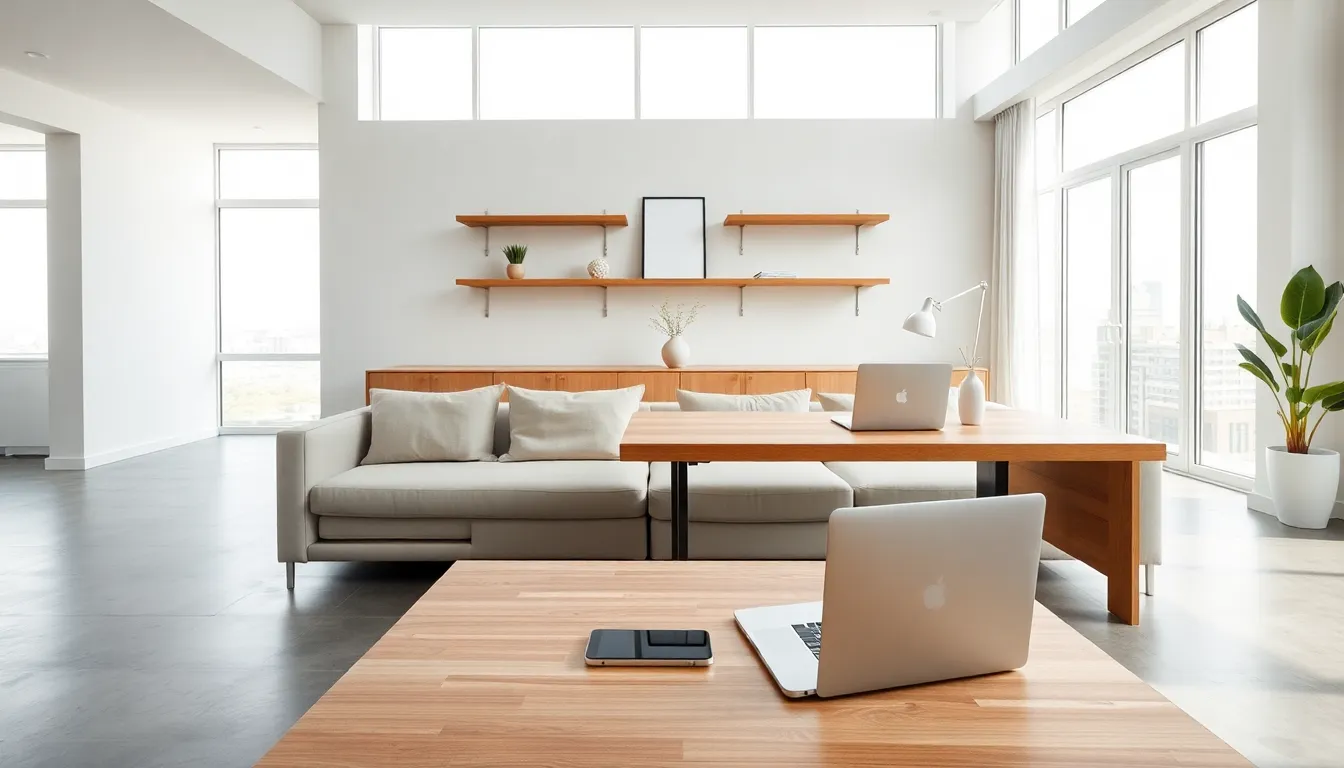
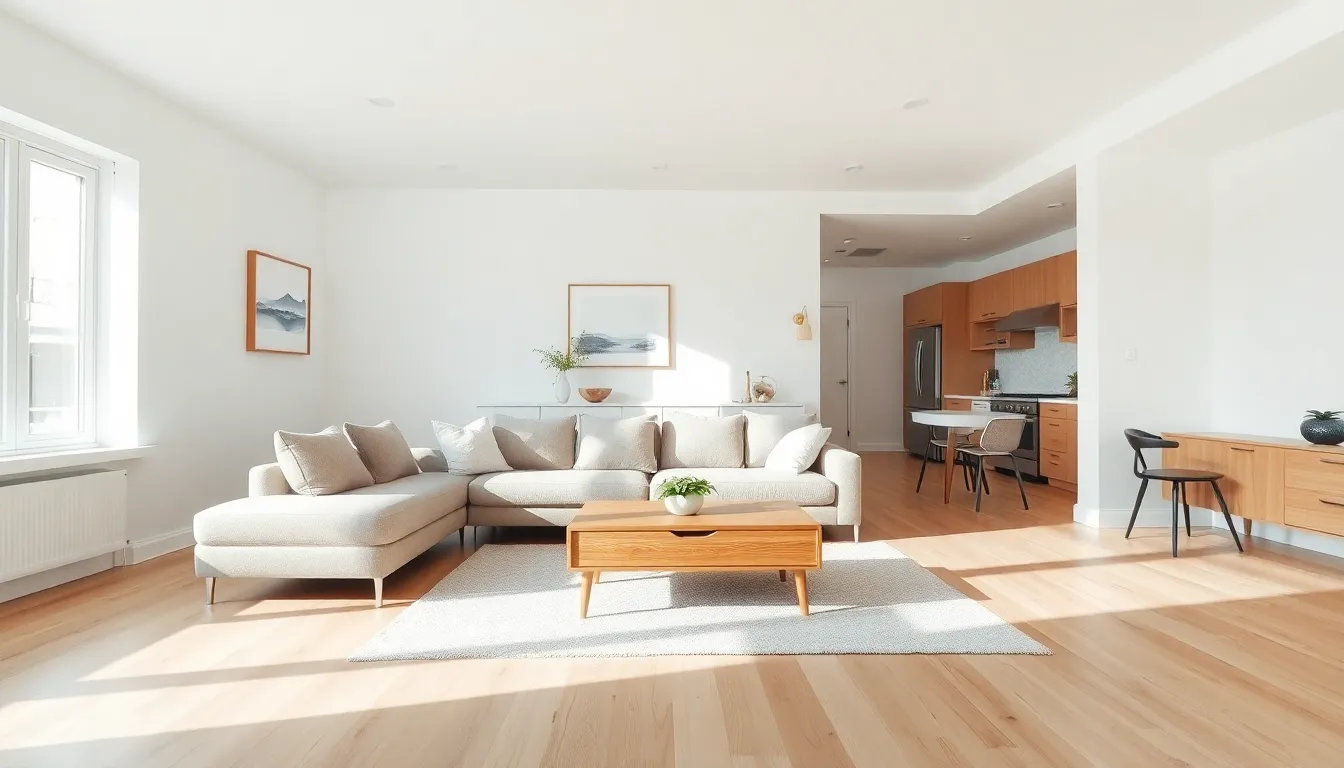
A minimalist living room typically contains a sofa, a coffee table, and perhaps a single bookshelf. Wall art stays limited to one or two meaningful pieces. Entertainment centers hold only devices in active use. Remote controls, magazines, and decorative objects stay out of sight or get eliminated entirely.
Kitchen
Minimalist kitchens feature clear countertops. Appliances stay in cabinets unless used daily. Dish sets include only enough pieces for the household plus a few extras for guests. Single-use gadgets, like avocado slicers or egg separators, get donated or discarded.
Bedroom
The bedroom becomes a sleep sanctuary. Minimalist living examples here include:
- A bed with simple bedding
- One or two nightstands
- A single dresser or closet system
- No television
- Minimal decor on walls
Bathroom
Minimalist bathrooms contain only products in current rotation. Expired medications, half-used lotions, and duplicate toiletries get removed. Towels and linens stay limited to what the household actually needs.
These home-focused minimalist living examples demonstrate how physical space affects mental clarity. Less visual clutter often translates to reduced anxiety and easier daily routines.
Wardrobe and Personal Belongings
Clothing and personal items represent another rich category of minimalist living examples. Many people own far more clothes than they wear.
Capsule Wardrobes
A capsule wardrobe contains 30 to 40 versatile pieces that mix and match. This approach eliminates decision fatigue each morning. People select neutral colors and classic styles that work across seasons.
Typical capsule wardrobe minimalist living examples include:
- 5 to 7 tops
- 3 to 4 bottoms
- 2 to 3 dresses or suits
- 2 jackets or coats
- 3 to 4 pairs of shoes
- Limited accessories
The One-In-One-Out Rule
Some practitioners follow a simple rule: for every new item purchased, one existing item leaves. This prevents accumulation and forces intentional buying decisions.
Personal Care Products
Minimalist living examples extend to makeup, skincare, and grooming. Instead of owning dozens of products, minimalists select a few high-quality items that serve multiple purposes. A tinted moisturizer with SPF replaces separate sunscreen, foundation, and moisturizer.
Sentimental Items
Minimalists don’t eliminate all sentimental belongings. They curate them. A single memory box might hold photos, letters, and small keepsakes. The rest gets photographed and released.
Digital and Financial Minimalism
Minimalist living examples now include digital and financial habits. Physical clutter is only part of the picture.
Digital Decluttering
Digital minimalists reduce the noise from technology. Common practices include:
- Deleting unused apps from phones and computers
- Unsubscribing from email newsletters that go unread
- Limiting social media accounts to one or two platforms
- Organizing digital photos into curated albums and deleting duplicates
- Using fewer browser tabs and bookmarks
Some people schedule specific times to check email and social media. This prevents constant interruptions and improves focus.
Financial Minimalism
Financial minimalist living examples focus on simplifying money management. People consolidate bank accounts, automate bill payments, and cancel subscriptions they forgot they had.
Other financial minimalism practices include:
- Tracking spending with a single app
- Maintaining one or two credit cards instead of several
- Building an emergency fund before making discretionary purchases
- Choosing experiences over material goods
Minimalist living examples in finance often lead to higher savings rates. When people stop buying things they don’t need, money accumulates for goals that matter, travel, education, or early retirement.
Notification Management
Turning off non-essential notifications represents one of the simplest minimalist living examples. Most apps don’t need immediate attention. Silencing them reduces mental clutter throughout the day.