Table of Contents
ToggleBest minimalist living starts with one decision: own less, live more. This lifestyle removes clutter from homes and minds. It creates space for what matters most.
Minimalism has grown from a design trend into a full philosophy. People across the globe now choose fewer possessions over endless accumulation. They report less stress, more savings, and greater happiness.
This guide covers everything needed to start and sustain a minimalist lifestyle. Readers will learn what minimalism means, why it works, and how to apply it at home. They’ll also discover solutions to the most common obstacles along the way.
Key Takeaways
- The best minimalist living approach focuses on keeping only items that serve a purpose or bring genuine joy to your life.
- Minimalism delivers real benefits including financial freedom, reduced stress, more free time, and better relationships.
- Start small by decluttering one area at a time and use the 90/90 rule to decide what stays and what goes.
- Apply minimalist principles room by room—clear counters, capsule wardrobes, and multi-purpose furniture create calm, functional spaces.
- Overcome common obstacles like sentimental attachments by photographing items before letting go and keeping one representative piece.
- The best minimalist living is a personal practice, not a perfect destination—progress matters more than following strict rules.
What Is Minimalist Living
Minimalist living means keeping only items that serve a purpose or bring joy. It rejects the idea that more stuff equals more happiness. Instead, it focuses on intentional choices about possessions, time, and energy.
The best minimalist living approach varies from person to person. Some people own fewer than 100 items. Others simply avoid buying things they don’t need. There’s no single rulebook.
At its core, minimalism asks one question: does this add value to my life? If the answer is no, the item goes. This applies to physical objects, digital clutter, and even commitments on a calendar.
Minimalism isn’t about deprivation. It’s about making room for experiences, relationships, and goals that matter. A person might sell their large house for a smaller apartment. They might donate clothes they haven’t worn in years. Each decision creates more freedom.
Benefits of Embracing a Minimalist Lifestyle
People who practice the best minimalist living habits often experience significant changes in daily life.
Financial Freedom
Fewer purchases mean more money in the bank. Minimalists spend less on storage, maintenance, and replacement items. Many report paying off debt faster and building savings more easily.
Reduced Stress
Clutter creates mental noise. Studies show that messy environments increase cortisol levels and anxiety. A clean, organized space helps the brain relax and focus.
More Time
Owning less means cleaning less, organizing less, and searching for lost items less. That time goes back into hobbies, family, or rest. Some minimalists gain several hours each week.
Environmental Impact
Buying fewer products reduces waste and carbon footprints. Minimalism encourages quality over quantity. One well-made jacket lasts longer than five cheap ones.
Better Relationships
With fewer distractions from stuff, people often invest more in connections. They host dinners instead of shopping trips. They give time instead of gifts.
How to Start Your Minimalist Journey
Starting minimalist living doesn’t require a single weekend purge. Small, consistent steps work better for most people.
Begin With One Area
Pick a drawer, a closet, or a single room. Remove everything. Only put back items that earn their place. This approach builds momentum without overwhelming.
Use the 90/90 Rule
Ask two questions about each item: Have I used this in the last 90 days? Will I use it in the next 90? If both answers are no, consider letting it go.
Adopt a One-In-One-Out Policy
Every new purchase means something else leaves. This prevents clutter from returning after the initial declutter.
Digitize What You Can
Papers, photos, and documents take up space. Scanning and storing them digitally reduces physical clutter. Cloud storage makes files accessible from anywhere.
Set Clear Goals
Define what best minimalist living looks like personally. Maybe it’s a capsule wardrobe of 30 items. Maybe it’s downsizing to a smaller home. Clear targets make decisions easier.
Best Minimalist Living Practices for Your Home
Each room offers opportunities to apply minimalist principles effectively.
Kitchen
Keep one of each essential tool. Most people don’t need three spatulas or five cutting boards. Store appliances used weekly and donate the rest. Clear counters create a calmer cooking experience.
Bedroom
The bed should be the focus. Remove TVs, excess furniture, and decorative items that collect dust. Use neutral colors and minimal bedding. This creates a better sleep environment.
Living Room
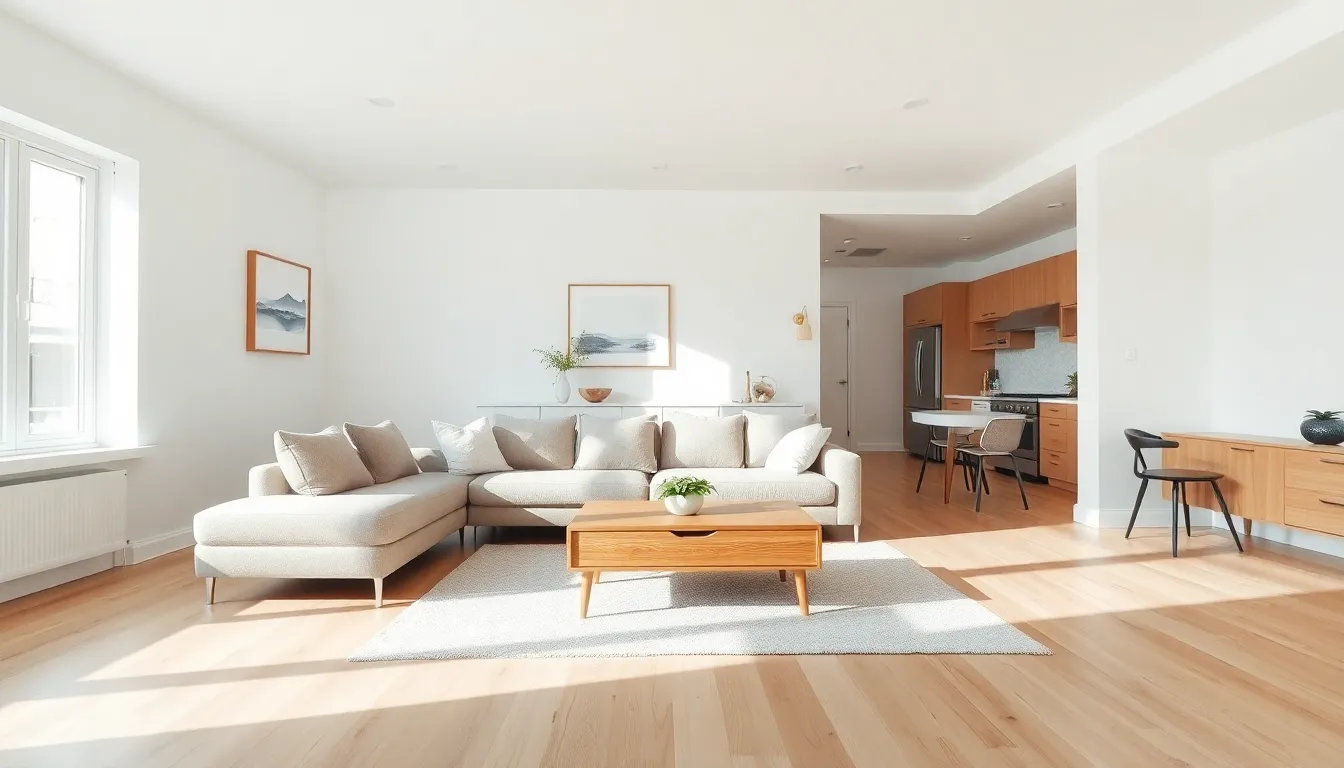
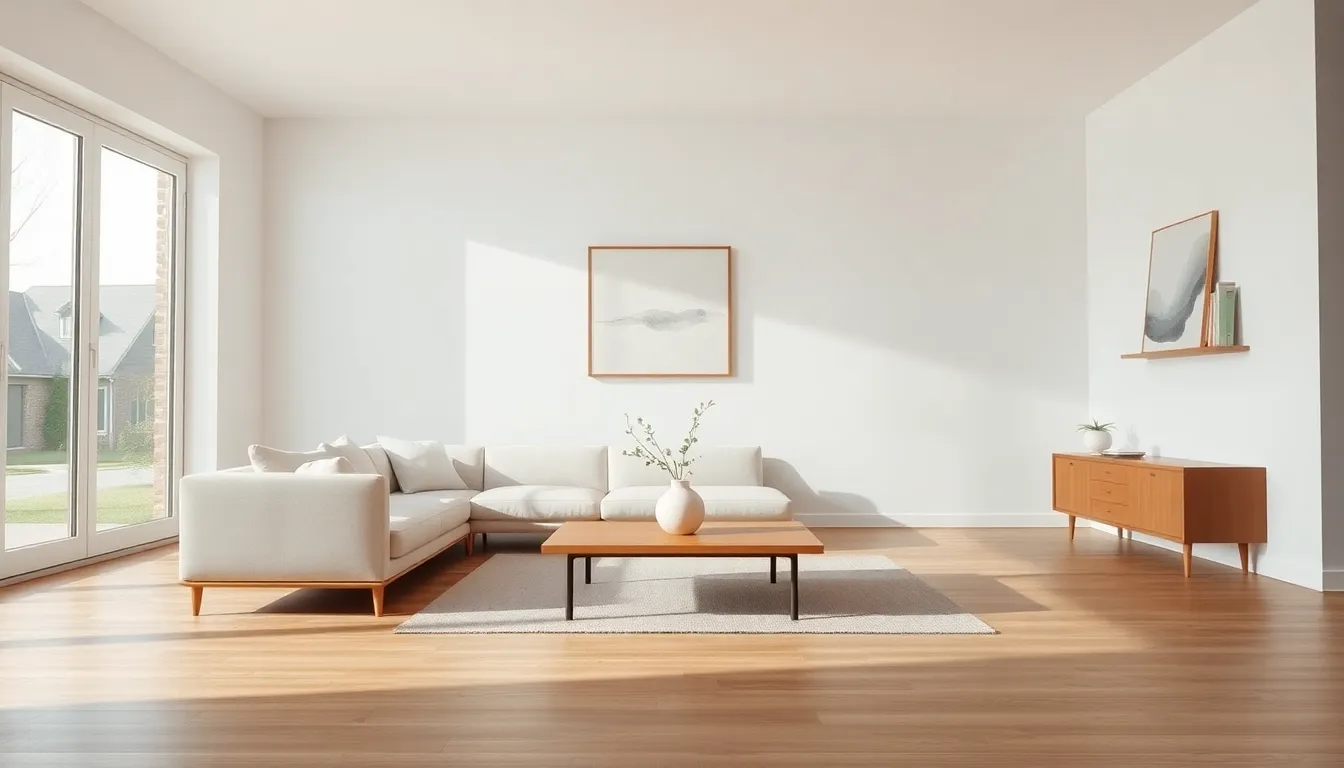
Choose furniture that serves multiple purposes. A storage ottoman works harder than a regular one. Limit decorations to a few meaningful pieces. Leave empty space, it’s not wasted, it’s intentional.
Bathroom
Empty counters look clean and stay clean. Store products in cabinets or baskets. Finish one shampoo before buying another. Many people keep duplicate products they’ll never use.
Closet
Build a capsule wardrobe with versatile pieces. Most people wear 20% of their clothes 80% of the time. Donate the rest. The best minimalist living wardrobe makes getting dressed simple.
Digital Spaces
Unsubscribe from emails that go unread. Delete unused apps. Organize files into clear folders. Digital clutter affects mental clarity just like physical clutter.
Overcoming Common Challenges in Minimalist Living
Every minimalist faces obstacles. Knowing them in advance makes them easier to handle.
Sentimental Attachments
Grandma’s dishes. Kids’ artwork. These items carry emotional weight. The solution isn’t always to discard them. Take photos of sentimental items before letting them go. Keep one representative piece instead of an entire collection.
Family Members Who Disagree
Minimalism works best when everyone participates. But forcing family members backfires. Focus on personal spaces first. Lead by example. Many skeptics come around when they see the benefits.
Fear of Needing Something Later
This fear keeps closets full of “just in case” items. Here’s the truth: most things can be replaced or borrowed if needed. The cost of keeping everything exceeds the rare inconvenience of needing something that’s gone.
Social Pressure
Friends buy new phones yearly. Neighbors fill garages with gear. Minimalists sometimes feel out of step. Finding communities, online or local, that share similar values helps. So does remembering personal motivations for this lifestyle.
Perfectionism
Some people avoid starting because they can’t do minimalism “right.” But the best minimalist living approach is imperfect. It’s a practice, not a destination. Progress matters more than perfection.