Table of Contents
ToggleMinimalist living has become a popular lifestyle choice for people who want less clutter and more freedom. But what is minimalist living, exactly? At its core, minimalist living means owning fewer possessions, reducing distractions, and focusing on what truly matters. This approach helps people save money, reduce stress, and create more time for meaningful experiences. Whether someone wants to declutter their home or rethink their entire lifestyle, minimalist living offers a clear path forward. This guide explains the principles, benefits, and practical steps for adopting a minimalist lifestyle.
Key Takeaways
- Minimalist living means owning fewer possessions, reducing distractions, and focusing on what truly adds value to your life.
- Core principles include intentionality, quality over quantity, decluttering, and mindful consumption to prevent clutter from returning.
- Benefits of minimalist living include financial savings (up to 20% more income saved), reduced stress, more free time, and improved mental clarity.
- Start small by decluttering one area at a time and use the 90/90 rule to decide what stays and what goes.
- Minimalism isn’t about deprivation or owning almost nothing—it’s about keeping items with genuine purpose while removing what doesn’t serve you.
- Minimalist living is an ongoing journey that requires regular maintenance, not a one-time decluttering event.
The Core Principles of Minimalist Living
Minimalist living rests on a few key ideas that guide daily decisions and habits.
Intentionality stands at the center of this lifestyle. Minimalists don’t acquire things randomly. They choose items, commitments, and activities with purpose. Every purchase or decision answers the question: “Does this add value to my life?”
Quality over quantity shapes how minimalists approach ownership. Rather than filling a closet with cheap clothes, a minimalist might own ten high-quality pieces that last for years. This principle applies to furniture, electronics, relationships, and even how people spend their time.
Decluttering is the most visible aspect of minimalist living. This means removing items that serve no purpose or bring no joy. Old magazines, duplicate kitchen tools, clothes that haven’t been worn in years, all of it goes. The goal isn’t an empty house. It’s a home where everything has a reason to be there.
Mindful consumption prevents clutter from returning. Before buying something new, minimalists pause and consider whether they truly need it. This habit saves money and keeps living spaces clean.
Freedom from excess drives the entire philosophy. When people own less stuff, they spend less time cleaning, organizing, and maintaining possessions. That freed-up time and energy goes toward experiences, hobbies, and relationships instead.
Minimalist living isn’t about deprivation. It’s about removing what doesn’t matter so there’s room for what does.
Benefits of Embracing a Minimalist Lifestyle
People who practice minimalist living report significant improvements across multiple areas of life.
Financial freedom comes naturally when someone stops buying things they don’t need. A 2023 survey found that minimalists save an average of 20% more of their income compared to non-minimalists. That extra money can go toward paying off debt, building savings, or funding experiences like travel.
Reduced stress is another major benefit. Cluttered spaces create mental noise. Studies show that people in messy environments have higher cortisol levels, the stress hormone. A clean, organized home promotes calm and focus.
More time becomes available when there’s less to manage. Fewer possessions mean less cleaning, less organizing, and fewer decisions about what to wear or use. Some minimalists report gaining several hours each week simply by owning less.
Environmental impact decreases with minimalist living. Buying less means producing less waste. Choosing quality items that last reduces the demand for cheap, disposable products. Many minimalists find that their lifestyle aligns naturally with sustainability goals.
Improved relationships often surprise newcomers to minimalism. With less focus on acquiring things, people redirect attention toward family, friends, and community. Experiences shared with loved ones become more valuable than objects.
Mental clarity emerges when physical clutter disappears. A simplified environment supports focused thinking and creativity. Writers, artists, and entrepreneurs frequently credit minimalist living with boosting their productivity.
These benefits compound over time. What starts as a simple decluttering project can transform into lasting lifestyle change.
How to Start Living Minimally
Starting minimalist living doesn’t require dramatic overnight changes. Small, consistent steps work best.
Begin with one area. Pick a single drawer, closet, or room. Remove everything that hasn’t been used in the past year. Donate, sell, or recycle items that no longer serve a purpose. Completing one space builds momentum for the next.
Use the 90/90 rule. For each item, ask: “Have I used this in the last 90 days? Will I use it in the next 90?” If both answers are no, the item can go. This simple test cuts through emotional attachment and forces honest evaluation.
Adopt a one-in, one-out policy. Every time something new enters the home, something old leaves. This rule prevents accumulation and maintains the progress already made.
Digitize what you can. Paper documents, photos, CDs, and DVDs take up physical space. Scanning important papers and using digital alternatives eliminates boxes of clutter while preserving what matters.
Rethink subscriptions and commitments. Minimalist living extends beyond physical objects. Cancel memberships that don’t get used. Say no to obligations that drain energy without providing value. Time is just as important as space.
Create a capsule wardrobe. A capsule wardrobe contains 30-40 versatile clothing items that mix and match easily. This approach simplifies morning routines and reduces decision fatigue.
Set boundaries on shopping. Carry out a 48-hour waiting period before any non-essential purchase. This pause prevents impulse buying and ensures every new item is truly wanted.
Involve the whole household. If others share the living space, include them in the process. Discuss goals, respect personal items, and celebrate progress together.
Minimalist living is a journey, not a destination. Progress matters more than perfection.
Common Misconceptions About Minimalism
Several myths prevent people from trying minimalist living. Understanding these misconceptions helps clear the path forward.
“Minimalists own almost nothing.” This isn’t true. Minimalist living doesn’t mean living with only 50 items or sleeping on the floor. It means owning things that add value and removing things that don’t. A minimalist chef might have an extensive knife collection. A minimalist musician might own multiple instruments. The key is intention, not a specific number.
“Minimalism is only for wealthy people.” Actually, minimalist living often benefits those with limited resources the most. Spending less on unnecessary items leaves more money for essentials and savings. Many people adopt minimalism specifically to improve their financial situation.
“You have to get rid of sentimental items.” Not at all. Minimalists keep items that hold genuine meaning. The practice involves distinguishing between true sentiment and guilt about letting something go. Grandma’s ring? Keep it. A box of random trinkets kept out of obligation? That can go.
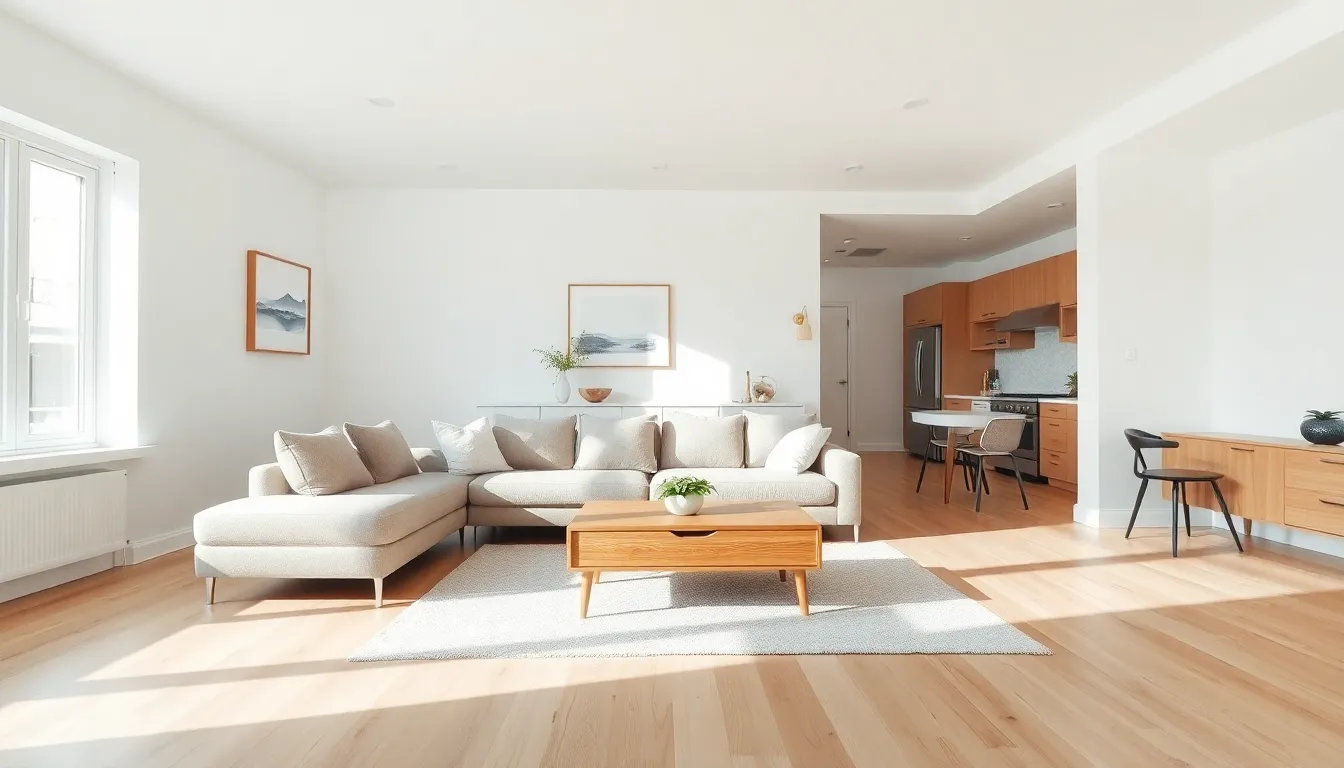
“Minimalist homes look cold and empty.” Minimalist living doesn’t require a specific aesthetic. Some minimalist homes look warm and cozy with soft colors and comfortable furniture. Others prefer clean lines and neutral tones. The visual style is personal preference, not a requirement.
“Once you declutter, you’re done.” Minimalism is an ongoing practice. Life changes. New items come in. Regular maintenance keeps living spaces aligned with current needs and values. Most minimalists do seasonal reviews of their possessions.
“Minimalism means missing out.” The opposite is true. By cutting out what doesn’t matter, minimalist living creates space for richer experiences. People often discover they enjoy life more, not less, after simplifying.