Table of Contents
ToggleMinimalist living vs. maximalist living represents two distinct approaches to life, home design, and personal values. One celebrates simplicity and intentional ownership. The other embraces abundance and bold self-expression. Both lifestyles have passionate followers, and neither is inherently better than the other. The right choice depends on individual goals, personality, and circumstances. This guide breaks down what each lifestyle means, how they differ, and which one might suit a person’s unique needs.
Key Takeaways
- Minimalist living vs. maximalist living reflects different values—simplicity and freedom versus abundance and self-expression—with neither being inherently better.
- Minimalist living reduces stress, saves money, and simplifies daily routines by prioritizing quality over quantity.
- Maximalist living creates visually rich, personalized spaces filled with meaningful objects that reflect identity and history.
- Both lifestyles require intentionality: minimalists ask if items serve a purpose, while maximalists ask if items express who they are.
- A hybrid approach—applying minimalism to some spaces and maximalism to others—offers flexibility for those who don’t fit neatly into one category.
- Start small by testing each approach in different rooms to discover which lifestyle aligns best with your personality and practical needs.
What Is Minimalist Living?
Minimalist living focuses on owning fewer possessions and prioritizing quality over quantity. People who adopt this lifestyle intentionally reduce clutter, simplify their spaces, and concentrate on what truly matters to them.
The core idea is straightforward: less stuff equals more freedom. Minimalists often report lower stress levels because they spend less time cleaning, organizing, and maintaining belongings. They also tend to save money since they buy fewer items overall.
Minimalist living extends beyond physical possessions. It can include simplifying schedules, reducing digital distractions, and cutting out unnecessary commitments. A minimalist might decline social obligations that don’t bring joy or delete apps that waste time.
Popular minimalist practices include:
- Owning a capsule wardrobe with versatile clothing pieces
- Keeping only items that serve a clear purpose or bring genuine happiness
- Choosing experiences over material goods
- Living in smaller spaces to reduce costs and environmental impact
Minimalist living doesn’t mean owning nothing. It means owning the right things. A minimalist might invest in one high-quality kitchen knife instead of a drawer full of cheap utensils.
What Is Maximalist Living?
Maximalist living celebrates abundance, color, and personal expression through possessions and decor. This lifestyle embraces the idea that more can indeed be more, when those items reflect personality and bring joy.
Maximalists fill their spaces with collections, artwork, bold patterns, and meaningful objects. Their homes often tell stories through curated displays of books, souvenirs, and treasured finds. Where minimalist living strips back, maximalist living layers on.
This approach isn’t about hoarding or mindless consumption. True maximalism involves intentional curation. A maximalist carefully selects items that resonate with their aesthetic vision and personal history. The result is a rich, visually stimulating environment.
Common maximalist characteristics include:
- Gallery walls featuring diverse art pieces and photographs
- Mixing patterns, textures, and colors boldly
- Displaying collections openly rather than hiding them
- Embracing vintage finds and eclectic furniture combinations
Maximalist living appeals to people who find inspiration in visual richness. They see their belongings as extensions of identity rather than burdens to manage.
Key Differences Between Minimalism and Maximalism
Understanding minimalist living vs. maximalist living requires examining their fundamental contrasts.
Space and Environment
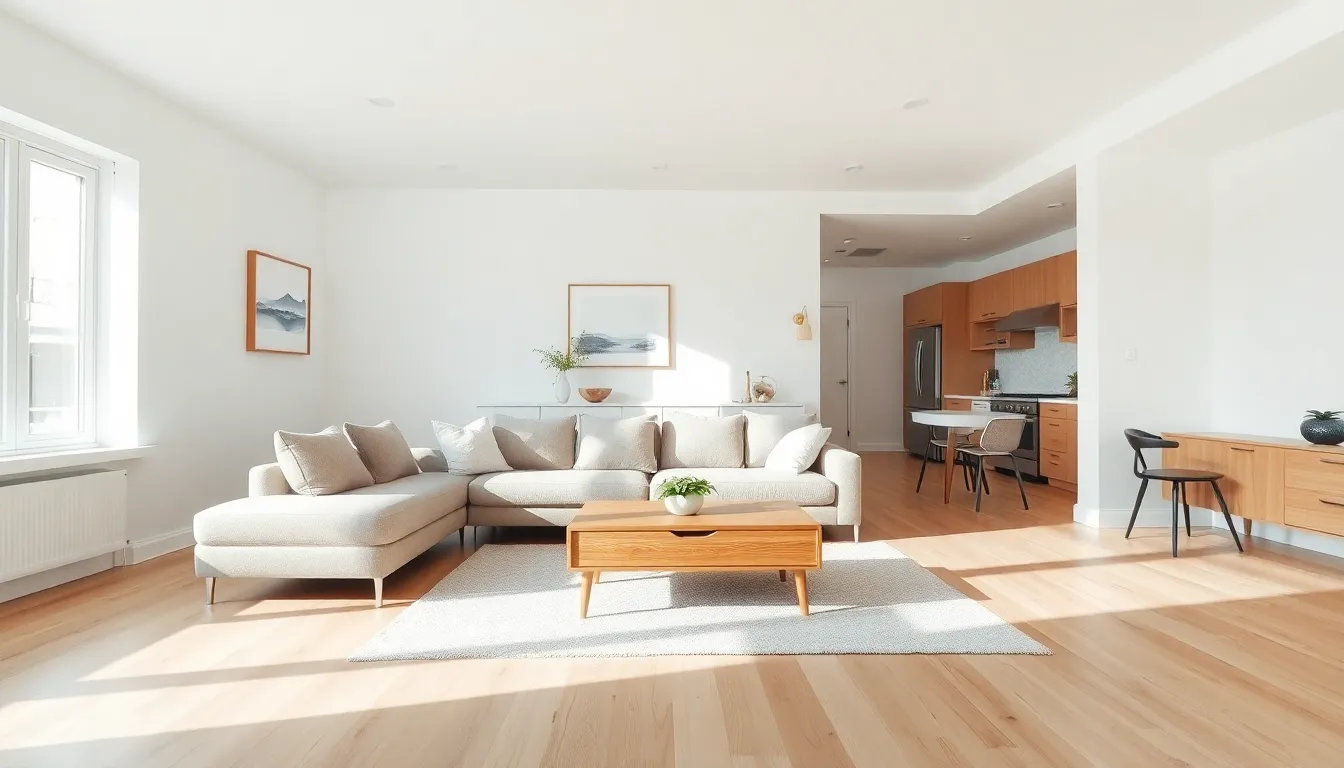
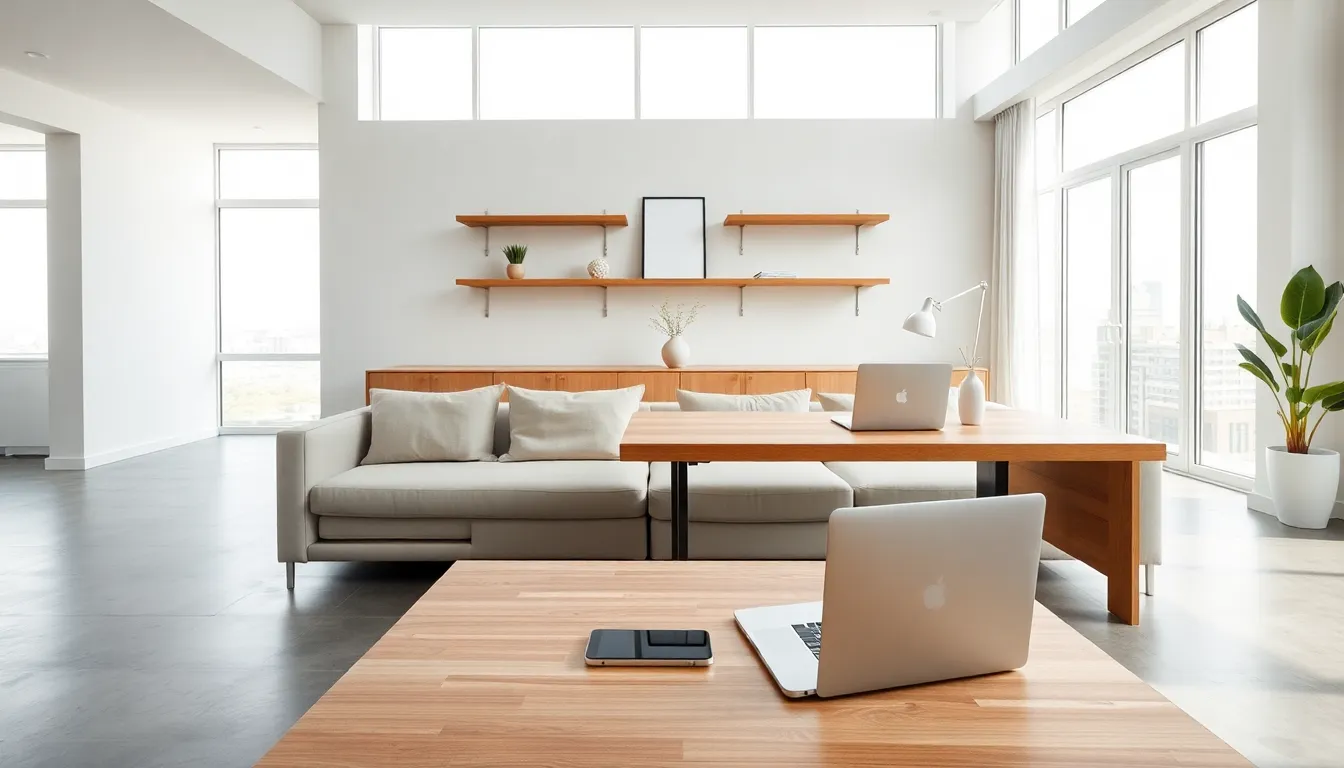
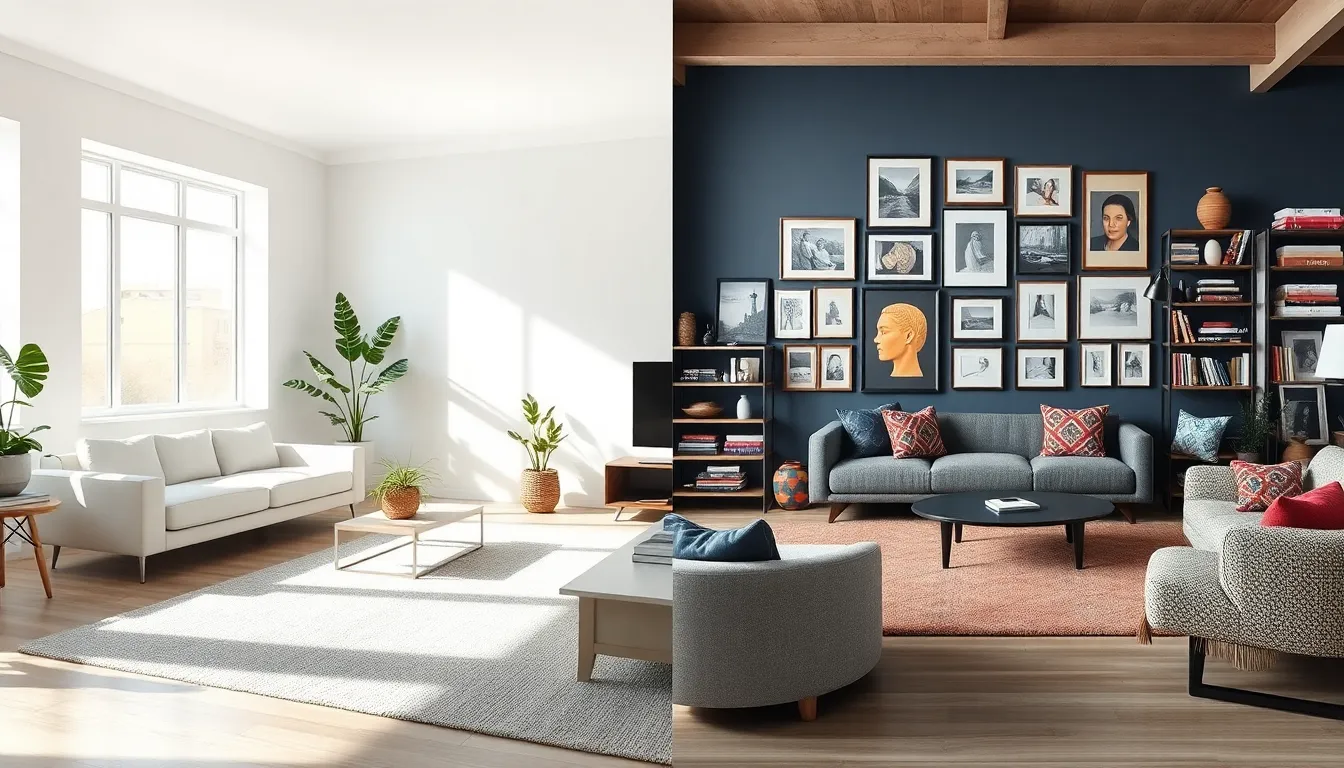
Minimalist spaces feature clean lines, neutral colors, and open areas. Every item has a designated place, and surfaces remain largely clear. Maximalist spaces burst with visual interest. Walls hold art, shelves display treasures, and rooms feel full of personality.
Relationship with Possessions
Minimalists ask: “Does this item serve a purpose or spark joy?” If the answer is no, they let it go. Maximalists ask: “Does this item express who I am?” Both approaches are intentional, but they apply different filters.
Financial Implications
Minimalist living typically reduces spending over time. Fewer purchases mean more savings. Maximalist living can cost more, though smart maximalists often thrift, inherit, or trade items rather than buying everything new.
Mental Impact
Some people find calm in empty spaces. Others feel anxious in sparse environments and relaxed when surrounded by beloved objects. Neither response is wrong, they simply reflect different psychological needs.
Time Investment
Minimalists spend less time on maintenance and cleaning. Maximalists invest more time in arranging, displaying, and caring for their collections. Both lifestyles require upfront effort to establish the desired aesthetic.
Benefits and Drawbacks of Each Approach
Minimalist Living Benefits
Minimalist living offers several practical advantages. Reduced clutter creates calmer environments. Lower spending supports financial goals. Smaller living spaces become viable, cutting housing costs. Moving becomes easier with fewer belongings to transport. Cleaning takes less time when there’s less stuff.
Many minimalists also report improved mental clarity. Decision fatigue decreases when choices are limited. A streamlined wardrobe, for example, makes morning routines faster and simpler.
Minimalist Living Drawbacks
Minimalist living isn’t perfect for everyone. Some people feel deprived when they can’t keep sentimental items. Others find minimalist spaces cold or unwelcoming. The lifestyle can become obsessive, with people feeling guilty about any new purchase.
Extreme minimalism might mean lacking useful items when needs arise. Owning just one pot sounds efficient until guests come for dinner.
Maximalist Living Benefits
Maximalist living creates spaces that feel personal and alive. Surrounded by meaningful objects, people often feel more connected to their histories and identities. The visual richness can inspire creativity and spark conversation with visitors.
Maximalists rarely face the problem of not having what they need. Their collections often include tools, supplies, and items that prove useful unexpectedly.
Maximalist Living Drawbacks
Maximalist living requires more maintenance. Dusting, organizing, and rearranging take significant time. Costs can add up, especially without discipline around acquisitions.
Clutter can cross into chaos without careful management. Some maximalists struggle with letting go of items, leading to genuinely overcrowded spaces. The line between curated maximalism and simple mess sometimes blurs.
How to Choose the Right Lifestyle for You
Choosing between minimalist living vs. maximalist living starts with honest self-reflection.
Consider Personality Traits
People who feel overwhelmed by visual stimulation often thrive with minimalist living. Those who feel energized by color, pattern, and variety typically prefer maximalism. Neither trait is superior, they’re simply different wiring.
Evaluate Current Habits
Look at existing spaces. Do piles of stuff cause stress? Minimalist living might help. Does a sparse room feel empty and sad? Maximalism could be the answer.
Think About Practical Needs
Lifestyle matters. Families with young children might find minimalist living difficult to maintain. People who move frequently benefit from owning less. Those with stable, permanent homes have more freedom to accumulate.
Try a Hybrid Approach
Many people land somewhere between these extremes. A person might keep their kitchen minimalist while letting their home office express maximalist tendencies. Room-by-room decisions allow for flexibility.
Start Small
Before committing fully to either lifestyle, test it out. Declutter one room and see how it feels. Add more decor to another space and observe the response. Personal experience reveals more than any article can.