Table of Contents
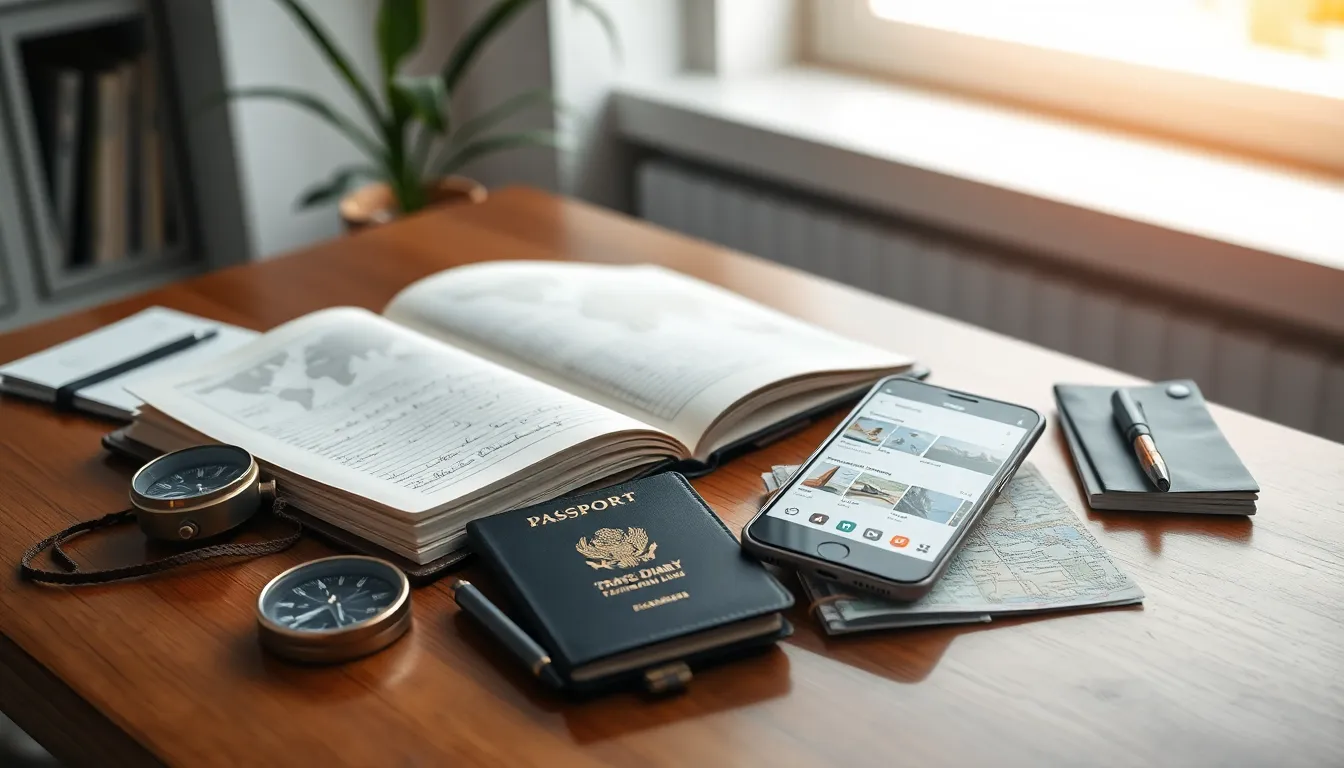
ToggleTop travel diaries help travelers capture memories, track destinations, and reflect on their experiences. Whether someone prefers pen and paper or a smartphone app, the right travel diary transforms fleeting moments into lasting records. This guide covers the best physical journals and digital apps available today. It also offers practical tips for selecting a travel diary that fits any travel style.
Key Takeaways
- Top travel diaries help preserve emotions, observations, and small details that photos alone can’t capture.
- Physical journals like Moleskine Voyageur and Leuchtturm1917 offer tactile appeal and screen-free writing for travelers who enjoy handwriting.
- Digital travel diary apps such as Day One and Polarsteps provide automatic backups, GPS tracking, and multimedia features for convenient journaling.
- Choose a travel diary based on your travel style—adventure travelers need durability, while business travelers may prefer sleek, professional options.
- The best travel diary balances portability with capacity and matches your actual travel habits, not an idealized version of your trips.
- Consider using both a pocket notebook for quick notes and a digital app for detailed entries to get the best of both worlds.
Why Keeping a Travel Diary Matters
A travel diary does more than store facts about trips. It preserves emotions, observations, and small details that photos alone can’t capture. That street musician in Lisbon, the taste of fresh bread in Paris, or the unexpected detour that led to a hidden waterfall, these moments fade without documentation.
Writing during or after a trip also improves memory retention. Studies show that the act of writing engages the brain differently than typing or taking photos. Travelers who keep diaries often recall trips more vividly years later.
Top travel diaries also serve practical purposes. They help track expenses, save contact information from new friends, and store ticket stubs or postcards. Some travelers use their diaries to plan future trips based on past experiences. Others share entries with family or turn them into blogs.
For frequent travelers, a diary becomes a personal archive. It shows growth, changing interests, and the progression from tourist to seasoned explorer. A travel diary is both a creative outlet and a useful tool.
Best Physical Travel Journals
Physical travel journals remain popular for their tactile appeal and screen-free writing experience. Here are some top travel diaries in print form.
Moleskine Voyageur Notebook
Moleskine designed this journal specifically for travelers. It includes sections for trip planning, expenses, and daily entries. The hardcover protects pages during rough handling. A pocket in the back holds loose papers, business cards, or small mementos. The Voyageur fits easily in a daypack or jacket pocket.
Leuchtturm1917 Travel Journal
This German-made journal features numbered pages and a table of contents for easy reference. The paper handles fountain pens without bleeding. Travelers appreciate the lay-flat binding, which makes writing comfortable in cramped spaces like airplane seats or cafes. It comes in multiple colors and sizes.
Rite in the Rain All-Weather Notebook
For adventure travelers, this journal stands up to rain, sweat, and humidity. The waterproof paper accepts pencil and most pens. Hikers, kayakers, and backpackers favor this option for its durability. It’s smaller than other options but built to survive tough conditions.
Field Notes Expedition Edition
Field Notes created this pocket-sized journal with synthetic paper that resists water and tearing. It’s perfect for quick notes during active trips. The compact size fits in any pocket. Many travelers carry several and organize them by trip or destination.
Physical travel diaries work well for people who enjoy the ritual of handwriting and want a break from screens.
Top Digital Travel Diary Apps
Digital travel diary apps offer convenience, automatic backups, and multimedia features. These top travel diaries live on smartphones and sync across devices.
Day One
Day One ranks among the most popular journaling apps for travelers. It automatically tags entries with location, weather, and date. Users can add photos, audio recordings, and even activity data from fitness trackers. The app syncs across Apple devices and offers Android support. End-to-end encryption keeps entries private.
Journey
Journey works across iOS, Android, Mac, Windows, and web browsers. It includes templates designed for travel entries. The app tracks locations on a map, showing all the places a user has journaled. Journey also supports Markdown formatting for users who want more control over their entries.
Polarsteps
Polarsteps focuses specifically on travel tracking. It automatically records routes using GPS and lets users add photos and notes at each stop. After a trip, the app generates a visual travel book. Many travelers use Polarsteps to share real-time updates with family and friends.
Notion
Notion isn’t a dedicated travel diary, but its flexibility makes it useful for travelers. Users create custom templates for trip planning, daily logs, packing lists, and expense tracking. The free tier offers enough features for most travelers. Notion works offline after initial setup.
Digital travel diaries suit travelers who want quick entry, automatic organization, and easy sharing options.
Tips for Choosing the Right Travel Diary
Selecting the right travel diary depends on personal preferences and travel habits. These tips help narrow down the options.
Consider travel style. Backpackers and adventure travelers need durable, compact options. Business travelers might prefer sleek journals that look professional. Beach vacationers can choose lighter, less expensive journals they won’t worry about damaging.
Think about writing habits. Daily writers need more pages. Occasional journalers can use smaller notebooks. Some people prefer lined pages, while others want blank space for sketches or ticket stubs.
Decide between physical and digital. Physical travel diaries offer a screen break and creative freedom. Digital options provide searchability, backups, and multimedia support. Some travelers use both, a pocket notebook for quick notes and an app for detailed entries later.
Check size and weight. Top travel diaries balance capacity with portability. A heavy journal stays in the hotel room. A tiny one runs out of pages mid-trip. Test different sizes before committing to one style.
Set a budget. Premium journals cost $25–$40, while basic notebooks run under $10. Apps range from free to $50 per year for subscriptions. Expensive options aren’t always better, the best travel diary is one that actually gets used.
Look for useful features. Pockets for mementos, waterproof pages, built-in maps, or expense tracking sections add value for certain travelers. Others prefer simple, blank pages with no distractions.
The right travel diary matches how someone actually travels, not an idealized version of their trips.